
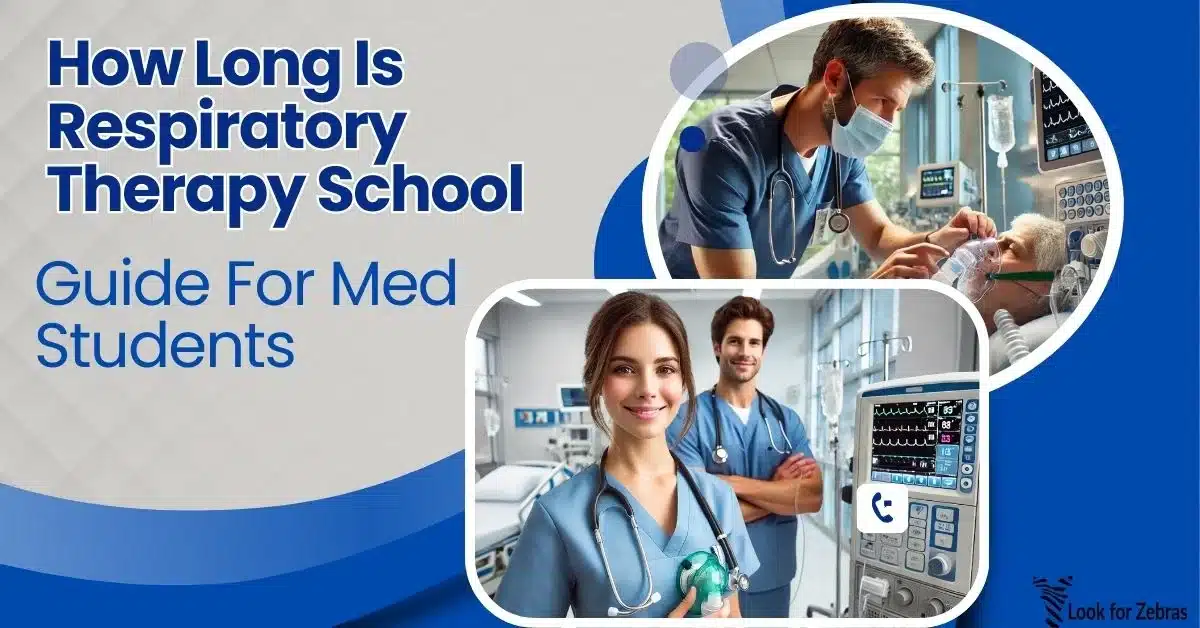
Becoming a certified respiratory therapist opens up a world of opportunity in healthcare, where skilled professionals play a vital role in helping patients with breathing difficulties. As a certified respiratory therapist (CRT), you’re trained to assess, treat, and care for patients suffering from various respiratory conditions, ranging from asthma and chronic obstructive pulmonary disease (COPD) to more acute conditions like respiratory distress syndrome in newborns or respiratory failure in critically ill patients. Simply put, a respiratory therapist treats respiratory illnesses and cardiopulmonary illnesses.
The path to becoming a CRT typically involves completing an accredited respiratory therapy program, which can be found at community colleges, technical schools, or universities. These programs provide a comprehensive education in respiratory care, covering topics such as anatomy and physiology of the respiratory system, patient assessment, therapeutic procedures, mechanical ventilation, and cardiopulmonary diagnostics.
After completing the required coursework and clinical rotations, aspiring respiratory therapists must pass the National Board for Respiratory Care (NBRC) exams to become certified. The most common certification is the Certified Respiratory Therapist (CRT) credential, which demonstrates competence in the field and is a prerequisite for state licensure in many jurisdictions.
Additionally, some respiratory therapists pursue advanced credentials, such as the Registered Respiratory Therapist (RRT) designation, which requires further examination and clinical experience.
How Long To Be A Respiratory Therapist -What Is A Respiratory Therapist?
A respiratory therapist helps people of all ages who suffer from breathing problems. A respiratory therapist is a healthcare professional who specializes in evaluating, treating, and caring for patients with breathing or cardiopulmonary disorders. They work with patients of all ages, from newborns to the elderly, in various healthcare settings such as hospitals, clinics, nursing homes, and home healthcare.
The responsibilities of a respiratory therapist typically include:
- Assessing patients’ respiratory health by conducting diagnostic tests, such as measuring lung capacity or conducting arterial blood gas analysis.
- Developing and implementing respiratory care plans in collaboration with physicians and other healthcare providers.
- Administering treatments and therapies to help patients manage respiratory conditions, such as asthma, chronic obstructive pulmonary disease (COPD), or cystic fibrosis.
- Educating patients and their families on how to properly use respiratory equipment, medications, and techniques to improve respiratory health and manage symptoms.
- Providing emergency care for patients experiencing respiratory distress, such as administering oxygen therapy, performing cardiopulmonary resuscitation (CPR), or assisting with intubation.
- Monitoring patients’ progress and adjusting treatment plans as necessary to ensure optimal respiratory function.
- Respiratory therapists play a crucial role in helping patients breathe easier and improving their overall quality of life. They work closely with physicians, nurses, and other healthcare professionals to provide comprehensive respiratory care to patients in need.
How Long To Be A Respiratory Therapist – How To Become a Respiratory Therapist
Becoming a respiratory therapist typically involves a combination of education, training, and licensure. We outline below a step-by-step procedure that you may adopt when training to be a respiratory therapist:
Research the Profession: Learn about what respiratory therapists do, their responsibilities, work environment, and career prospects. This will help you determine if it’s the right career for you.
Education: Obtain a high school diploma or equivalent. Then, enroll in an accredited respiratory therapy program. These programs are typically offered by colleges, universities, and vocational schools. The program may result in an associate’s or bachelor’s degree in respiratory therapy.
Clinical Training: During your education, you’ll undergo hands-on clinical training. This practical experience is essential for developing the skills needed to work as a respiratory therapist. You’ll work under the supervision of experienced professionals in hospitals or other healthcare settings.
Certification: While certification requirements vary by state, most states require respiratory therapists to be certified. The most common certification is the Certified Respiratory Therapist (CRT) credential, offered by the National Board for Respiratory Care (NBRC). To become certified, you’ll need to pass the Certified Respiratory Therapist Exam. Some states may also require additional state-specific exams.
Licensure: After completing your education and obtaining certification, you’ll need a license to practice as a respiratory therapist. Licensure requirements vary by state but typically involve passing the National Board for Respiratory Care (NBRC) exams and meeting other state-specific requirements, such as background checks or additional exams.
Continuing Education: Once you’re licensed and working as a respiratory therapist, you’ll need to keep your skills and knowledge up-to-date through continuing education. This may involve attending workshops, and seminars, or pursuing advanced certifications.
Job Search: With your education, certification, and licensure in hand, you can start looking for job opportunities as a respiratory therapist. Job prospects for respiratory therapists are generally good, with opportunities available in hospitals, clinics, nursing homes, and other healthcare settings.
Professional Development: As you gain experience in the field, consider opportunities for professional development, such as pursuing advanced certifications, specializing in specific areas of respiratory therapy, or pursuing higher education, such as a master’s degree.
By completing these respiratory therapist requirements, you can work towards becoming a qualified and licensed respiratory therapist. Remember to stay informed about changes in the field and continue learning throughout your career.
How Long To Be A Respiratory Therapist – What Are The Educational Qualifications Required To Be A Respiratory Therapist?
To answer the question of what you need to become a respiratory therapist, what you need is a combination of education, clinical training, and certification. Here’s a general overview of the educational qualifications required:
High School Diploma or Equivalent: The first step is to graduate from high school or obtain a GED (General Educational Development) equivalent.
Associate’s Degree in Respiratory Therapy: Most respiratory therapists begin their careers by earning an associate’s degree in respiratory therapy from an accredited program. These programs typically take about two years to complete and include coursework in anatomy, physiology, pharmacology, patient assessment, respiratory care techniques, and medical ethics.
Clinical Training: In addition to classroom instruction, aspiring respiratory therapists must complete clinical rotations to gain hands-on experience in working with patients under the supervision of licensed professionals. Clinical training allows students to apply their knowledge in real-world healthcare settings.
Licensure and Certification: After completing their education and clinical training, respiratory therapists must obtain state licensure to practice. Requirements for licensure vary by state but typically include passing the Certified Respiratory Therapist (CRT) exam or the Registered Respiratory Therapist (RRT) exam administered by the National Board for Respiratory Care (NBRC). Some states may also have additional requirements, such as background checks or continuing education credits.
Optional Bachelor’s Degree: While an associate’s degree is the minimum educational requirement for entry-level positions, some respiratory therapists choose to pursue a bachelor’s degree in respiratory therapy or a related field to advance their careers or specialize in certain areas of respiratory care. A bachelor’s degree may also be required for leadership positions or teaching roles.
Overall, a combination of formal education, clinical training, licensure, and certification is necessary to become a respiratory therapist and provide quality care to patients with respiratory issues.
How Long To Be A Respiratory Therapist – What Is the Time Taken In Each Phase of a Respiratory Therapist Education?
The time taken in each phase and the respiratory therapist education requirement can vary depending on the specific program and the level of education pursued. Here’s a general breakdown:
Associate’s Degree Program: This is the most common path to becoming a respiratory therapist. Typically, an associate’s degree program takes around 2 years to complete. This includes general education courses along with specialized respiratory therapy coursework and clinical rotations.
Bachelor’s Degree Program: Some institutions offer a Bachelor of Science degree in Respiratory Therapy or Respiratory Care. These programs typically take around 4 years to complete, similar to other bachelor’s degree programs. They often include more in-depth coursework and may offer opportunities for specialization or research.
Master’s Degree Program: For those looking to advance their career or pursue specialized roles in respiratory therapy, there are master’s degree programs available. These programs typically take an additional 1-2 years beyond the bachelor’s degree.
Doctoral Programs: While less common, there are doctoral programs in respiratory therapy or related fields for those interested in advanced research, teaching, or leadership roles. These programs can take anywhere from 3 to 5 years or more to complete, depending on the specific requirements and research involved.
Throughout each phase of education, students will engage in classroom learning, laboratory work, and clinical rotations to gain hands-on experience. Clinical rotations, in particular, are crucial for developing practical skills and applying theoretical knowledge in real-world healthcare settings.
The total period to become a respiratory therapist could range from 8 to 10 years in total.
How Long To Be A Respiratory Therapist – Final Thoughts On a Career As A Respiratory Therapist
Choosing a career as a respiratory therapist can be deeply fulfilling. You play a crucial role in helping patients manage their breathing difficulties, whether due to chronic conditions like asthma or COPD, or acute issues like respiratory distress. You’re often at the forefront of patient care, working closely with doctors and nurses to develop and implement treatment plans.
One of the most rewarding aspects is the direct impact you have on patients’ lives. Whether you’re helping someone breathe easier so they can enjoy simple activities or providing life-saving interventions in critical situations, the difference you make is tangible and immediate.
The field also offers opportunities for growth and specialization. You can pursue additional certifications or training to work in areas like neonatal care, sleep medicine, or critical care, expanding your skill set and potential career paths.
However, you must understand the challenges inherent in this profession. Working in healthcare can be emotionally demanding, especially when dealing with patients who are seriously ill or facing end-of-life situations. You may also encounter high-stress environments, particularly in emergency or intensive care settings.
Overall, if you have a passion for helping others, enjoy hands-on work, and thrive in fast-paced environments, a career as a respiratory therapist can be incredibly rewarding. It offers a unique blend of clinical expertise, compassion, and the opportunity to make a real difference in people’s lives.
References
https://valenciacollege.edu/academics/programs/health-sciences/respiratory-care/
https://www.forbes.com/advisor/education/healthcare/become-a-respiratory-therapist/
FAQs
It usually takes around two to four years to become a respiratory therapist, depending on the type of program you choose.
You can pursue an associate’s or bachelor’s degree in respiratory therapy, which typically takes two to four years to complete.
While prerequisites can vary, most programs require a high school diploma or equivalent. Some may also require courses in science and mathematics.
Yes, after completing your education, you’ll need to pass the National Board for Respiratory Care (NBRC) exam to become a Certified Respiratory Therapist (CRT) or a Registered Respiratory Therapist (RRT), depending on your level of education.
Accelerated programs may be available for those with relevant prior education or experience. However, these programs may have more intensive schedules and prerequisites.