
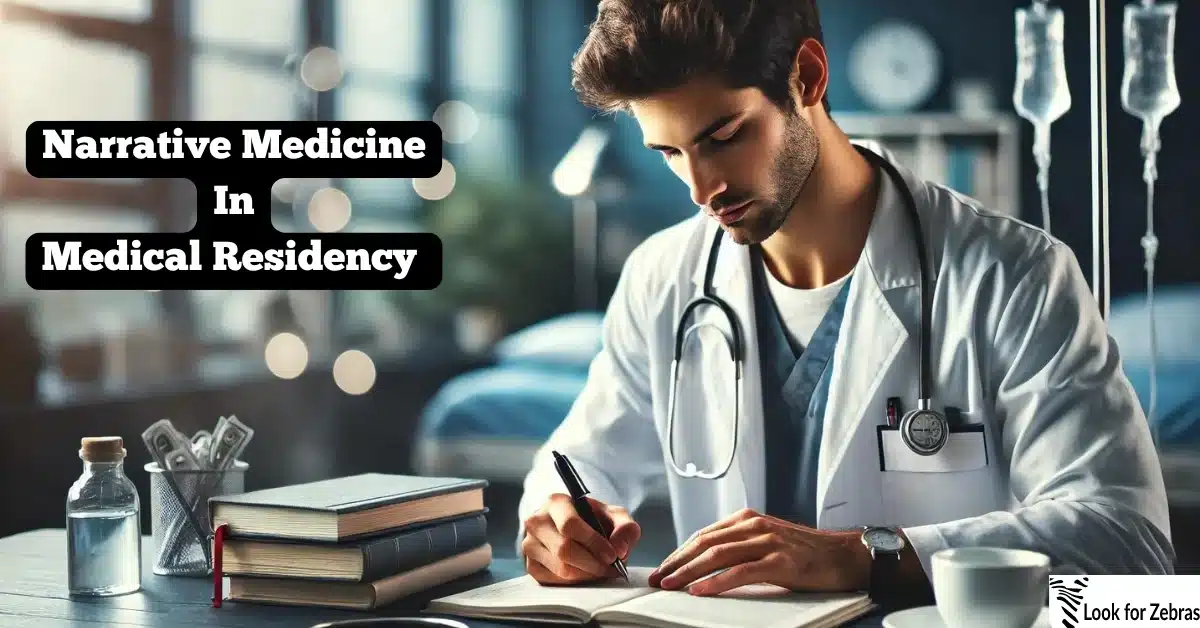
In today’s rapidly evolving healthcare landscape, the practice of medicine has grown beyond diagnosis and treatment. Now, it also embraces a more holistic understanding of the patient experience. Narrative medicine is an interdisciplinary field that intertwines medicine with narrative arts like literature, poetry, and storytelling. It has emerged as a powerful tool for cultivating empathy, understanding, and effective communication within the medical profession.
In medical residency, physicians undergo rigorous training to become proficient clinicians. Moreover, integrating storytelling and reflection enhances reflective practice and builds self-awareness. As a result, residents can develop deeper empathy, improve communication, and enhance the quality of patient care.
Medical residency represents a pivotal phase in a physician’s professional journey, marked by the transition from medical student to independent practitioner. During this transformative period, residents encounter a wide range of clinical experiences, from moments of triumph to times of uncertainty and vulnerability.
Meanwhile, the fast-paced environment of hospitals and clinics demands constant adaptation. Therefore, incorporating narrative medicine helps residents navigate the complexities of patient care. Additionally, it allows them to preserve the humanistic essence of medicine while developing deeper empathy.
By encouraging physicians to engage with patients’ stories, perspectives, and emotions, this approach strengthens the doctor-patient relationship. Additionally, it nurtures essential skills in empathy, cultural competence, and self-reflection. These skills are fundamental to delivering high-quality, patient-centered care.
Benefits of Incorporating Narrative Medicine into Medical Residency
Enhanced Patient Care
Incorporating narrative medicine into medical residency programs can significantly enhance patient care in several ways:
Developing Empathy:
This approach actively encourages residents to engage with patients’ stories on a deeper level. As a result, they gain a better understanding of the emotional, social, and cultural contexts of illness. This, in turn, fosters empathy and compassion, both of which are essential for providing patient-centered care.
Improved Communication Skills:
Through this approach, residents gradually learn to communicate more effectively with patients, families, and colleagues. As a result, they develop the ability to listen actively, ask open-ended questions, and respond empathetically. This, in turn, strengthens doctor-patient relationships and enhances patient satisfaction.
Enhanced Clinical Reasoning:
Analyzing patient narratives helps residents recognize patterns, uncover underlying issues, and make more accurate diagnoses. As a result, they can integrate each patient’s unique story with clinical data. This approach leads to more comprehensive and personalized treatment plans.
Cultural Competence:
Understanding patients’ narratives allows residents to recognize how culture, beliefs, and values influence health and healthcare decisions. As a result, they develop cultural competence, enabling them to provide care that respects and integrates diverse perspectives.
Ethical Reflection:
Exploring ethical dilemmas through patient narratives encourages residents to reflect on their values, biases, and assumptions. As a result, they develop greater self-awareness, which enhances their ability to navigate complex ethical issues. This growth enables them to make morally sound decisions in clinical practice.
Promoting Healing:
Sharing stories is therapeutic for patients, as it allows them to express emotions, gain insights, and find meaning in their illness experiences. Meanwhile, by actively engaging with these narratives, residents contribute to the healing process.
Additionally, they help patients cope with illness and adversity, fostering a stronger doctor-patient connection. As a result, patients feel heard, understood, and empowered in their healthcare journey.
Preventing Burnout:
This approach provides residents with a creative outlet while helping them process the emotional challenges of medical practice. Additionally, by regularly expressing and reflecting on their experiences, they can effectively mitigate burnout. As a result, they build resilience and maintain their passion for medicine.
Team Collaboration:
Through narrative-based discussions, residents actively collaborate with interdisciplinary healthcare teams. By openly sharing perspectives and valuable insights from patient experiences, they enhance holistic care planning and ensure better continuity of care.
Integrating this reflective practice into medical residency programs can thus lead to more empathetic, culturally competent, and self-aware physicians who are better equipped to provide high-quality, patient-centered care.
Development of Empathy and Communication Skills
Incorporating narrative medicine into medical residency programs offers several benefits, particularly in the development of empathy and communication skills among residents. Here’s how:
Enhanced Empathy:
This approach encourages healthcare providers to listen deeply to patients’ stories, understanding not just their medical condition but also their experiences, emotions, and perspectives. This empathetic practice fosters a stronger connection between residents and patients, allowing them to appreciate the human side of medicine beyond just the clinical aspects.
Improved Communication Skills:
By engaging with narratives, residents learn to communicate effectively with patients and colleagues. They develop the ability to convey complex medical information clearly and understandably, which is essential for building trust and rapport with patients.
Additionally, this practice encourages active listening, empathy, and sensitivity in communication, all of which are crucial for providing patient-centered care.
Cultural Competency:
By engaging with diverse narratives, residents gain valuable insights into the cultural, social, and personal factors shaping patients’ healthcare experiences. As a result, they become more culturally competent providers who can navigate the complexities of patient care with greater sensitivity and understanding.
This, in turn, helps them build stronger connections, adapt to different perspectives, and deliver more inclusive, patient-centered care.
Reflective Practice:
This approach fosters reflection on personal experiences and biases, helping residents critically examine their attitudes, beliefs, and assumptions about health, illness, and patient care. As a result, this reflective practice strengthens self-awareness and mindfulness, which are crucial for both personal and professional growth as a healthcare provider.
Preventing Burnout:
Medical residency is emotionally demanding. However, engaging with patients’ stories can serve as a valuable form of self-care for residents. By exploring narratives, they can process emotions more effectively, build resilience over time, and prevent burnout.
Additionally, this practice fosters a deeper sense of connection, strengthens their sense of purpose, and enhances fulfillment in their work.
Enhanced Patient Outcomes:
Empathetic communication consistently improves patient satisfaction, treatment adherence, and health outcomes. Therefore, by integrating storytelling and reflective practices into residency training, healthcare institutions can further enhance patient experiences and outcomes.
Additionally, this approach equips residents with essential skills to communicate effectively and empathize with patients, ultimately strengthening the physician-patient relationship.
Overall, incorporating this approach into medical residency programs not only enhances residents’ empathy and communication skills but also promotes cultural competency, reflective practice, and ultimately improves patient care and outcomes.
Physician Well Being
Incorporating storytelling into medical residency programs can offer numerous benefits, particularly in enhancing physician well-being. This approach, which emphasizes the importance of patient and provider narratives, allows medical professionals to explore the experiences of illness, patient journeys, and their roles in healthcare.
By engaging with these stories, residents can develop deeper empathy, process their own challenges more effectively, and find greater meaning in their work. Here are several ways in which this practice can contribute to physician well-being during residency:
Enhanced Empathy:
By engaging with patient narratives, residents can develop a deeper understanding of the human experience of illness. This fosters empathy, allowing residents to connect more deeply with their patients and ultimately provide more compassionate care. This connection can be emotionally fulfilling for physicians, contributing to their sense of purpose and well-being.
Improved Communication Skills:
This approach encourages physicians to hone their communication skills by actively listening to patients’ stories and effectively conveying their own experiences. Enhanced communication can lead to better patient-physician relationships, reducing feelings of isolation and fostering a supportive environment for both patients and physicians.
Personal Reflection and Self-Awareness:
Reflecting on their own experiences and the stories of patients can help residents develop self-awareness and insight into their own emotions, biases, and values. This self-reflection can promote personal growth and resilience, equipping physicians with the emotional tools to navigate the challenges of residency and beyond.
Stress Reduction and Burnout Prevention:
Engaging with storytelling can serve as a form of stress relief for residents, providing a creative outlet for processing the emotional toll of their work. By acknowledging and validating their experiences through reflection, residents may experience reduced burnout and increased job satisfaction.
Building a Supportive Community:
Incorporating activities such as group discussions or writing workshops can foster a sense of community among residents. Sharing stories and experiences with peers creates a supportive environment where residents feel understood and valued, reducing feelings of isolation and promoting a culture of collaboration and support.
Promotion of Work-Life Balance In Narrative medicine:
It encourages physicians to explore their identities beyond their professional roles, emphasizing the importance of maintaining a healthy work-life balance. By engaging in creative activities outside of clinical duties, residents can find fulfillment in pursuits that bring them joy and fulfillment beyond their medical careers.
Overall, integrating storytelling and reflective practices into medical residency programs can contribute to physician well-being by promoting empathy, communication skills, self-awareness, stress reduction, community building, and work-life balance.
By nurturing these aspects of well-being, residency programs can support the holistic development of physicians and ultimately enhance the quality of patient care.
Implementation Strategies for Integrating Narrative Medicine into Medical Residency
Curriculum Integration
- Integrate storytelling and reflective practices into existing residency curriculum components, such as communication skills training, ethics seminars, and grand rounds.
- Offer workshops, seminars, or elective rotations focused specifically on narrative medicine principles and practices.
Faculty Development
- Provide faculty training on narrative medicine pedagogy and facilitation techniques to support effective implementation and mentorship of residents in narrative practices.
- Foster a culture of narrative inquiry among faculty, encouraging them to model reflective practice and engage in narrative discussions with residents.
Assessment and Evaluation
- Develop assessment tools to evaluate residents’ competency in narrative medicine skills, such as empathetic communication, reflective writing, and narrative analysis.
- Gather feedback from residents, faculty, and patients to assess the impact of narrative medicine integration on resident learning outcomes, patient experiences, and clinical practice.
Conclusion
In medical residency, the integration of narrative medicine offers a transformative approach that enriches clinical practice and fosters holistic patient care. By embracing the power of storytelling, residents are equipped to perceive patients not merely as cases, but as individuals with unique narratives, backgrounds, and experiences.
Through attentive listening and empathetic understanding, residents can unearth the complexities underlying illness, thereby enhancing diagnosis, treatment, and patient outcomes.
Moreover, this approach cultivates reflective practices among residents, encouraging them to critically examine their own biases, assumptions, and emotions, ultimately leading to greater self-awareness and professional growth.
Thus, integrating storytelling into medical residency stands as a pivotal step toward nurturing compassionate, culturally sensitive physicians who are adept at navigating the multifaceted dimensions of healthcare.
FAQs
Narrative Medicine emphasizes storytelling in healthcare through reading, writing, and discussion. In residency, it fosters empathy, reflection, and communication, enhancing patient understanding and improving care.
Narrative Medicine enhances active listening, empathy, and perspective-taking, helping residents improve communication and doctor-patient relationships. This fosters patient-centered care, leading to better satisfaction, adherence, and health outcomes.
Narrative Medicine training for residents includes reflective writing, small group discussions, journaling, creative workshops, and patient storytelling. Narrative rounds encourage focusing on patients’ stories beyond clinical details.
Integrating Narrative Medicine into residency requires flexibility, incorporating it into didactics, rounds, and workshops. Short reflective exercises can fit into downtime or journal clubs, while electives or longitudinal curricula offer deeper engagement alongside clinical duties.
Narrative Medicine in residency fosters lifelong skills in reflection, empathy, and communication, enhancing patient-centered care. It helps reduce burnout, build resilience, and promote teamwork, creating a more supportive and humanistic healthcare environment.