
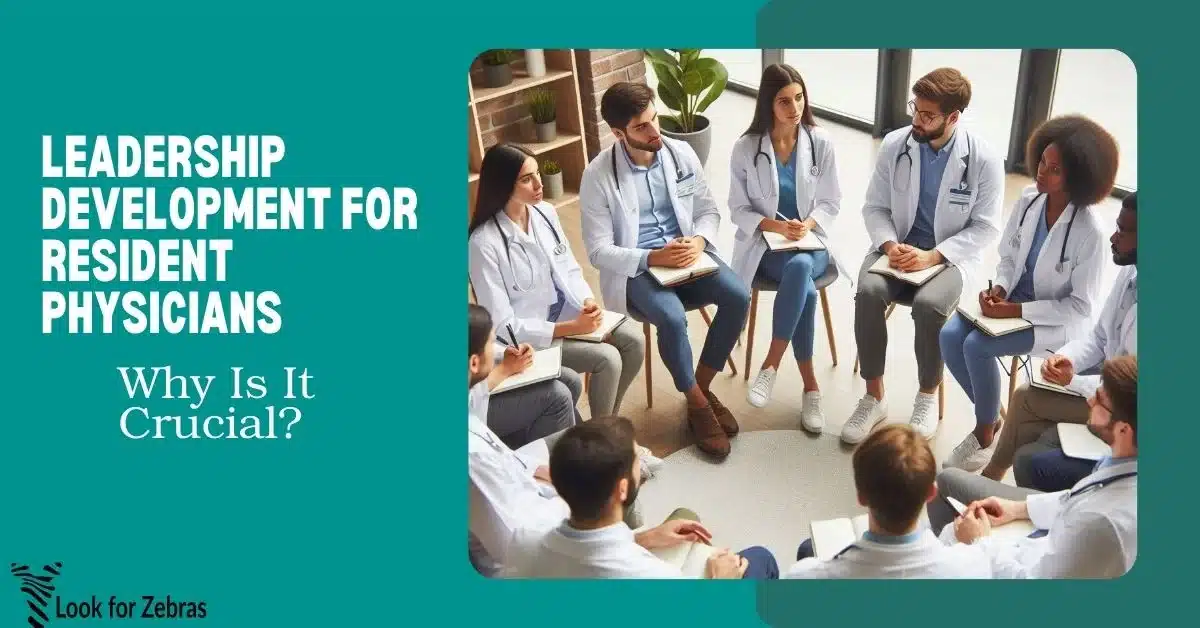
Leadership development for resident physicians is crucial for several reasons, as it not only shapes the future of individual doctors but also significantly impacts the quality of healthcare delivery.
Firstly, resident physicians are the backbone of healthcare systems, often serving as the first point of contact for patients. Their ability to lead effectively influences patient outcomes, satisfaction, and overall experience within the healthcare setting. Without strong leadership skills, resident physicians may struggle to navigate complex medical scenarios, communicate effectively with patients and colleagues, and make crucial decisions under pressure. As such, investing in leadership development for resident physicians is essential for ensuring that they possess the necessary skills to provide high-quality care and effectively manage diverse healthcare environments.
Moreover, leadership development fosters a culture of continuous improvement within medical institutions. By equipping resident physicians with leadership skills, healthcare organizations can cultivate a workforce that is proactive, innovative, and capable of driving positive change.
Effective leadership enables resident physicians to identify areas for improvement, implement evidence-based practices, and collaborate with multidisciplinary teams to optimize patient care processes. Ultimately, investing in the leadership development of resident physicians not only enhances individual career trajectories but also contributes to the overall advancement of healthcare systems, benefiting patients and communities alike.
How Do Residency Training Programs Impact Social Change?
Residency training programs in various fields such as medicine, psychology, social work, and others can have significant impacts on social change in several ways:
Education and Awareness: Residency programs provide education and training to future professionals who will work directly with individuals and communities. Through their training, residents learn about social issues, inequalities, and disparities, raising awareness and understanding among future practitioners.
Cultural Competence and Diversity: Residency programs often emphasize cultural competence and sensitivity to diversity. By training residents to understand and respect the cultural backgrounds and identities of their patients or clients, these programs contribute to reducing discrimination and promoting inclusivity in healthcare and social services.
Community Engagement and Advocacy: Many residency programs involve residents in community outreach, advocacy, and service activities. Through these experiences, residents gain firsthand knowledge of the social challenges facing communities and can become advocates for change. They may work to address issues such as access to healthcare, affordable housing, food insecurity, and other social determinants of health.
Research and Innovation: Residency programs often engage residents in research projects aimed at addressing social issues or improving the delivery of services to underserved populations. By conducting research and implementing innovative practices, residents can contribute to evidence-based solutions for social problems.
Policy Influence: Residents, through their experiences working with vulnerable populations and witnessing systemic barriers to care, may become advocates for policy change. They can use their expertise and experiences to influence healthcare policies and advocate for reforms that address social determinants of health and promote health equity.
Professional Leadership: As residents progress through their training and eventually become practicing professionals, they have the opportunity to take on leadership roles within their fields. By advocating for social change within professional organizations, healthcare institutions, and other relevant settings, they can influence policies, practices, and norms to better address social issues.
Role Modeling and Mentorship: Residency faculty and senior residents serve as role models and mentors for junior residents. By embodying principles of social responsibility, advocating for social justice, and engaging in community service, these mentors can inspire and influence the values and actions of their mentees.
Overall, residency training programs play a crucial role in shaping the perspectives, values, and actions of future professionals, empowering them to contribute to social change within their respective fields and communities.
What Are The Resident Leadership Programs Available?
Resident leadership programs can vary widely depending on the field of study or practice. However, here are some common types of resident leadership programs across different sectors:
Medical Residency Leadership Programs: Many medical residency programs offer leadership training alongside clinical training to help residents develop skills in management, communication, and decision-making. Examples include the American Academy of Orthopedic Surgeons (AAOS) Resident Leadership Forum and the American College of Physicians (ACP) Leadership Academy.
Business and Management Residency Programs: Some business schools and management consulting firms offer residency programs that provide hands-on leadership experience within organizations. These programs often target recent graduates or early-career professionals and offer opportunities to work on real-world projects while receiving mentorship from experienced leaders.
Nonprofit Leadership Residency Programs: Nonprofit organizations may offer residency programs that provide aspiring leaders with the opportunity to gain experience in nonprofit management, fundraising, program development, and advocacy. These programs often focus on developing leadership skills specific to the nonprofit sector.
Government and Public Service Leadership Residency Programs: Government agencies and public service organizations may offer residency programs designed to groom future leaders in areas such as public policy, administration, and international development. These programs often involve rotations through different departments or agencies to provide exposure to various aspects of government work.
Educational Leadership Residency Programs: Schools and school districts may offer residency programs for aspiring educational leaders, such as principals and administrators. These programs typically combine coursework with hands-on experience in school leadership, including internships or assistantships under experienced administrators.
Technology and Innovation Residency Programs: Some technology companies and innovation hubs offer residency programs for aspiring leaders in fields such as software development, data science, and product management. These programs often involve working on cutting-edge projects and gaining exposure to emerging technologies.
Global Health Leadership Residency Programs: With the increasing focus on global health issues, some organizations offer residency programs that provide training in leadership, policy development, and program management within the context of global health initiatives. These programs may involve placements in various countries or regions to gain firsthand experience in addressing health challenges on a global scale.
These are just a few examples, and the availability of resident leadership programs may vary depending on geographic location, industry, and specific areas of interest. It’s essential to research and explore programs that align with your career goals and aspirations.
Do Special Chief Resident Leadership Development Programs Exist?
Yes, Special Chief Resident Leadership Development Programs do exist in some medical residency programs. These programs are designed to provide additional training and mentorship to selected chief residents who have shown exceptional leadership potential.
These programs typically offer opportunities for chief residents to further develop their leadership skills through workshops, seminars, one-on-one coaching, and participation in administrative activities within the residency program or affiliated healthcare institutions.
The specific structure and offerings of these programs can vary widely between institutions, but the overarching goal is to prepare chief residents for future leadership roles in healthcare, whether it be in academic medicine, clinical practice, research, or administration.
Outcomes And Indicators For A Successful Resident Leadership Program
A successful resident leadership program should aim to achieve specific outcomes and indicators that reflect the growth, development, and impact of the program on the residents and the community they serve. Here are some potential outcomes and indicators for a successful resident leadership program:
Increased Community Engagement:
Outcome:
- Residents actively participate in community events, meetings, and initiatives.
Indicators:
- Number of residents attending community events.
- Number of residents participating in community planning meetings.
- Percentage of residents involved in community projects.
Enhanced Leadership Skills:
Outcome:
- Residents develop leadership competencies and skills.
Indicators:
- Self-assessment of leadership skills before and after the program.
- Feedback from mentors and program facilitators on residents’ leadership growth.
- Several residents assume leadership roles within the community.
Improved Communication and Advocacy Skills:
Outcome:
- Residents effectively communicate ideas and advocate for community needs.
Indicators:
- Residents’ ability to articulate community issues and concerns.
- Residents’ participation in public speaking engagements.
- Success stories of residents advocating for community change.
Increased Civic Participation:
Outcome:
- Residents actively participate in civic activities and decision-making processes.
Indicators:
- Several residents registered to vote.
- Residents’ involvement in local government committees or boards.
- Residents’ participation in community-driven initiatives.
Building Social Capital:
Outcome:
- Residents develop strong networks and relationships within the community.
Indicators:
- Several new connections were made by residents within the community.
- Residents’ participation in community-building activities.
- Testimonials or feedback from residents on the support received from the community.
Community Impact and Change:
Outcome:
- Residents contribute to positive changes and initiatives within their community.
Indicators:
- Number of community projects initiated or completed by residents.
- Measurable improvements in community well-being indicators (e.g., crime rates, employment rates, educational outcomes).
- Recognition or awards received by residents for their contributions to the community.
Sustainability of Leadership Efforts:
Outcome:
- Leadership efforts continue beyond the duration of the program.
Indicators:
- Existence of alumni networks or mentorship programs for program graduates.
- Continued involvement of program alumni in community leadership roles.
- Long-term impact assessments show sustained improvements in the community.
Program Satisfaction and Feedback:
Outcome:
- Residents perceive the program positively and provide constructive feedback for improvement.
Indicators:
- Participant satisfaction surveys were conducted at the end of the program.
- Feedback sessions with residents to identify strengths and areas for improvement.
- Testimonials or success stories shared by residents about their experience in the program.
Diversity and Inclusion:
Outcome:
- The program fosters diversity and inclusion among participants and within the community.
Indicators:
- Demographic diversity among program participants.
- Inclusion of marginalized voices and perspectives in program activities.
- Initiatives or events specifically focused on promoting diversity and inclusion.
Partnership Development:
Outcome:
- The program establishes and maintains partnerships with local organizations and stakeholders.
Indicators:
- Several partnerships formed with community organizations, businesses, and government agencies.
- Level of collaboration with external stakeholders on community projects and initiatives.
- Feedback from partners on the value and impact of the program’s collaboration.
These outcomes and indicators can serve as benchmarks for assessing the effectiveness and success of a resident leadership program, helping to track progress over time and guide program improvements.
References
https://www.ncbi.nlm.nih.gov/pmc/articles/PMC4512827/
https://link.springer.com/article/10.1007/s11606-014-3141-1/
FAQs
A leadership development program for resident physicians is a structured initiative designed to enhance the leadership skills and capabilities of medical residents. These programs often provide training, mentorship, and experiential learning opportunities to equip residents with the necessary skills to lead effectively in clinical, administrative, and academic settings.
Leadership skills are essential for physicians to effectively navigate complex healthcare environments, advocate for patients, and drive improvements in healthcare delivery. Leadership development programs help residents cultivate skills such as communication, teamwork, decision-making, and problem-solving, which are crucial for their future roles as clinicians, educators, and administrators.
Components may include workshops or seminars on leadership theory and practice, coaching or mentorship sessions, opportunities for hands-on leadership experiences within healthcare organizations, participation in quality improvement projects, and exposure to healthcare management and policy issues.
Resident physicians enrolled in accredited residency programs across various medical specialties typically have the opportunity to participate in leadership development programs. Programs may be tailored to specific specialties or open to residents from multiple disciplines.
The duration of leadership development programs for resident physicians can vary widely. Some programs may consist of a series of workshops or seminars conducted over several months, while others may span the duration of a residency program, with ongoing opportunities for learning and growth.