
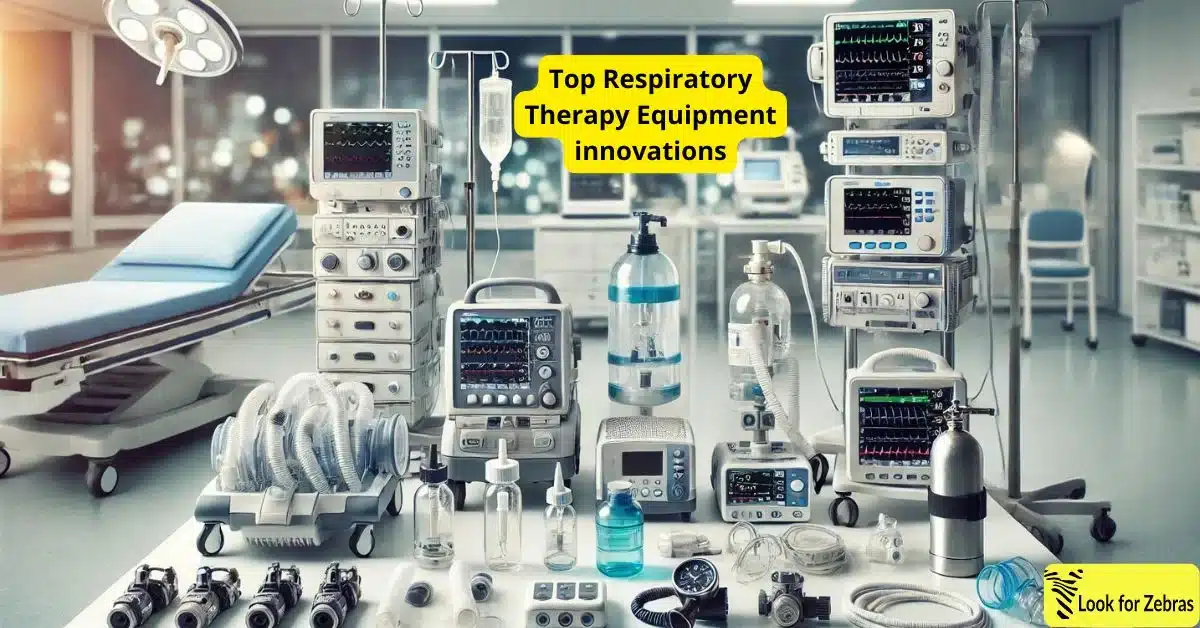
Respiratory therapist supplies have witnessed remarkable innovations over the years, revolutionizing the management and treatment of respiratory conditions. Advancements in ventilation technology and portable oxygen concentrators have transformed respiratory care. Moreover, these innovations have greatly improved patient outcomes and quality of life.
One of the most groundbreaking innovations in respiratory therapist supplies is high-flow nasal cannula (HFNC) therapy. It offers a non-invasive method to deliver high-flow oxygen to patients with respiratory distress. Moreover, HFNC provides heated and humidified oxygen at higher flow rates than traditional oxygen therapy. As a result, it reduces the need for invasive ventilation and enhances patient comfort.
Another key innovation in respiratory therapist supplies is the emergence of portable ventilators. They feature sophisticated monitoring capabilities and advanced algorithms. Moreover, these ventilators provide greater mobility for patients needing respiratory support. As a result, patients can receive treatment outside traditional clinical settings.
Additionally, telemonitoring features in respiratory therapist supplies have improved remote patient management. They enable healthcare providers to monitor respiratory status and adjust treatment in real time. Moreover, these advancements enhance patient autonomy and streamline healthcare delivery. This is especially beneficial in areas with limited access to specialized respiratory care, ensuring timely interventions and better patient outcomes.
Top Ten Respiratory Therapist Supplies and Equipment Innovations
Mechanical Ventilators: This is one of the important respiratory therapist accessories. Mechanical ventilators play a vital role in managing respiratory failure. They deliver controlled breaths to patients who cannot breathe adequately on their own. Moreover, innovations in ventilator technology allow for more precise control and better patient synchronization. Additionally, advanced modes are tailored to individual patient needs. As a result, these improvements enhance outcomes and reduce complications.
High-flow Nasal Cannula (HFNC): An effective respiratory care equipment, HFNC delivers heated and humidified oxygen at high flow rates, providing respiratory support while minimizing discomfort. Its innovation lies in its ability to deliver precise oxygen concentrations and maintain positive airway pressure, making it effective in conditions like acute respiratory failure, chronic obstructive pulmonary disease (COPD), and post-extubation support.
Continuous Positive Airway Pressure (CPAP): CPAP therapy provides a continuous stream of air at a constant pressure to keep the airways open. It is primarily used to treat obstructive sleep apnea (OSA). Moreover, innovations in CPAP devices include quieter operation and smaller sizes for better portability. Additionally, advanced algorithms enable personalized therapy adjustments. As a result, these improvements enhance patient compliance and overall comfort.
Non-Invasive Ventilation (NIV): NIV provides respiratory support without requiring invasive intubation. This helps reduce complications linked to traditional mechanical ventilation. Moreover, innovations in NIV technology include improved interfaces and enhanced leak compensation algorithms. Additionally, intelligent ventilation modes expand its use in various conditions. As a result, NIV is effective for acute COPD exacerbations and acute respiratory distress syndrome (ARDS).
Portable Oxygen Concentrators (POCs): POCs help patients with chronic respiratory conditions stay mobile and independent. They work by delivering concentrated oxygen from ambient air. Moreover, innovations in POCs include compact designs and longer battery life. Additionally, improved oxygen delivery algorithms ensure efficient therapy. As a result, patients can engage in daily activities while receiving essential oxygen support.
Spirometers: Spirometers measure lung function by assessing the volume and flow rate of inhaled and exhaled air. This helps diagnose and monitor respiratory diseases like asthma and pulmonary fibrosis. Moreover, recent innovations include wireless connectivity for remote monitoring.
Additionally, user-friendly interfaces and real-time feedback mechanisms enhance patient engagement. These advancements also improve adherence to pulmonary rehabilitation programs.
Airway Clearance Devices: These devices help clear mucus from the airways, promoting better breathing. Additionally, they reduce the risk of respiratory infections in patients with conditions like cystic fibrosis and bronchiectasis. Moreover, innovations in airway clearance technology include oscillatory devices and high-frequency chest wall oscillation systems. In addition, intrapulmonary percussive ventilation offers personalized and effective mucus clearance strategies.
Nebulizers: Nebulizers deliver medication as a mist for inhalation. This allows targeted treatment for conditions like asthma, chronic bronchitis, and cystic fibrosis. Moreover, advances in nebulizer technology enhance efficiency, portability, and dose consistency. For instance, vibrating mesh and breath-actuated nebulizers optimize drug delivery. Additionally, they help minimize waste, making treatment more effective.
Pulse Oximeters: Pulse oximeters measure the oxygen saturation levels in the patient’s blood. This helps to provide critical information about respiratory function and oxygenation status. Pulse oximetry innovations include miniaturization for wearables. They feature multi-wavelength sensors for better accuracy. Integration with mobile health platforms allows remote monitoring of respiratory patients.
Telemedicine and Remote Monitoring Solutions: Telemedicine platforms and remote monitoring devices allow providers to deliver respiratory care remotely. They expand access to specialized services and enable early intervention. Innovations include virtual respiratory consultations, home spirometry kits, and smart inhalers with sensors. These empower patients to manage their respiratory health while improving healthcare efficiency and outcomes.
References
FAQs
One key innovation is portable oxygen concentrators. They provide greater mobility and independence for patients needing oxygen therapy.
Smart inhalers use technology to track medication usage. They provide feedback to patients and healthcare providers. This enhances medication adherence and improves treatment effectiveness.
VR therapies provide immersive experiences. They simulate real-life scenarios to aid pulmonary rehabilitation. This helps improve respiratory function. It also enhances the quality of life for patients with chronic lung conditions.
Wearable respiratory monitors track vital signs continuously. They measure respiratory rate, oxygen saturation, and cough frequency. This enables early detection of respiratory complications. It also allows for personalized treatment adjustments.
Advanced NIV devices now have intelligent algorithms. They also feature patient synchronization capabilities. These optimize ventilation support. They also reduce the risk of complications from invasive ventilation methods.