
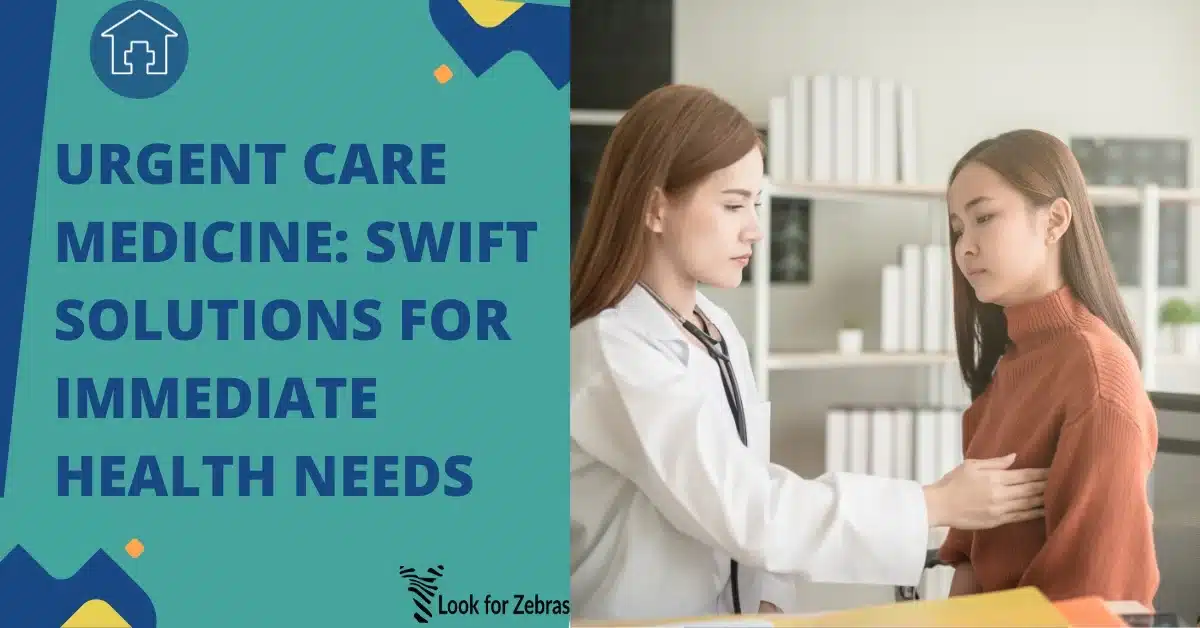
In the dynamic healthcare landscape, where immediacy and accessibility are paramount, a career in Urgent Care Medicine emerges as a fulfilling and impactful choice.
Urgent Care Medicine bridges routine care and emergency services, providing quick attention for non-life-threatening conditions. It attracts professionals who thrive in fast-paced settings, value patient impact, and prefer a versatile approach..
In this article, we’ll explore the exciting aspects of Urgent Care Medicine as a career. From its diverse and challenging nature to the potential for specialization, it offers intrinsic satisfaction by making a real difference in patients’ lives. Additionally, if you’re drawn to a profession that combines variety, quick decision-making, and a direct impact on community health, and could be the ideal career path for you.
What is Urgent Care Medicine?
Urgent care, therefore, provides immediate attention for non-life-threatening conditions, offering accessible healthcare outside regular hours. As a result, it bridges routine care and emergency medicine, addressing patients’ needs for prompt attention without life-threatening situations.
One key factor is the emphasis on efficiency and convenience. Urgent care centers handle minor injuries, illnesses, and preventive care, easing the strain on emergency departments. Consequently, they ensure emergency resources remain available for critical situations.
Urgent care professionals are trained in disciplines like emergency medicine, family medicine, pediatrics, and internal medicine. As a result, this diverse background allows them to diagnose and treat a wide range of health issues commonly seen in urgent care
Patients often seek urgent care for conditions like minor fractures, infections, allergies, flu symptoms, and other acute, non-life-threatening ailments. Moreover, the convenience of walk-in appointments and shorter wait times make urgent care an appealing option for those needing immediate attention without the urgency of an emergency room visit.
What Will You Study in Urgent Care Medicine?
The educational journey, additionally, includes a diverse curriculum that, in turn, equips practitioners to navigate the unique challenges of providing prompt and effective care in an urgent care setting
Emergency Medicine
Urgent Care professionals receive in-depth training in emergency medicine, covering the assessment, diagnosis, and treatment of acute conditions, as well as the management of injuries, trauma, and sudden illnesses
Family Medicine
Understanding the principles of family medicine is fundamental in Care Medicine. It involves a holistic approach to patient care, considering not only the immediate health issue but also the patient’s overall well-being, medical history, and any underlying conditions.
Pediatrics
Given that urgent care facilities cater to patients of all ages, including children, a strong foundation in pediatrics is crucial. This includes knowledge of pediatric illnesses, developmental milestones, and age-specific treatment approaches.
Internal Medicine
Internal medicine principles are essential for managing adult patients with complex medical conditions. Consequently, urgent care professionals must be well-versed in diagnosing and treating a variety of internal medicine-related issues, ranging from respiratory and gastrointestinal to cardiovascular conditions.
Diagnostic Skills
Rapid and accurate diagnosis is a key aspect. Therefore, training includes honing diagnostic skills through the use of clinical assessments, medical imaging, and laboratory tests to efficiently identify the nature of the patient’s condition.
Communication and Patient Interaction
Effective communication is paramount in urgent care settings. As a result, healthcare professionals learn to communicate clearly, gather crucial information, and provide clear instructions for care and follow-up.
Procedural Skills
Urgent care practitioners develop proficiency in various procedural skills, such as wound care, suturing, splinting, and minor surgical interventions. Consequently, these skills are vital for addressing immediate medical needs in the urgent care setting.
Preventive Medicine
In addition to addressing acute issues, Care Medicine emphasizes preventive care. Professionals are trained to offer vaccinations, screenings, and counseling to promote overall health and prevent future medical issues.
By integrating these components into their training, healthcare professionals in Urgent Care Medicine are well-prepared for fast-paced settings. As a result, they can provide high-quality care for non-life-threatening conditions, ultimately benefiting their communities.
A certification from the American Board of Physician Specialties, the Board of Certification in Urgent Care Medicine, The Advanced Urgent Care and Occupational Medicine, or the American Board of Urgent Care Medicine can significantly strengthen your resume. Furthermore, The Advanced Urgent Care and Occupational Medicine operates several offices across different states in the U.S.”
Subspecialties
Healthcare professionals to specialize in various subspecialties, allowing them to tailor their expertise to specific patient populations or medical conditions.
While the core focus of urgent care is immediate and comprehensive care for non-life-threatening conditions, subspecialties within the field enable practitioners to delve deeper into specific areas of healthcare.
Here are some notable subspecialties:
Sports Medicine
Urgent care professionals specializing in sports medicine focus on diagnosing and treating injuries related to physical activity. It can include acute injuries such as sprains, strains, and fractures, as well as management of overuse injuries and performance optimization for athletes.
Dermatology
Urgent Care Medicine, with a subspecialty in dermatology, focuses on the diagnosis and treatment of skin conditions. Specifically, from rashes and infections to minor skin surgeries, these specialists are adept at addressing a wide range of dermatological concerns in an urgent care setting
Women’s Health
Some urgent care practitioners choose to specialize in women’s health, addressing immediate medical needs related to gynecological and obstetric concerns. Specifically, this may include pregnancy-related issues, urinary tract infections, and other women’s health conditions.
Occupational Health
Urgent care professionals specializing in occupational health focus on the medical needs of workers. Specifically, this includes managing workplace injuries, conducting pre-employment screenings, and performing assessments for fitness for duty.
Travel Medicine
With a focus on the health needs of travelers, this subspecialty involves providing vaccinations, travel advice, and addressing common travel-related health issues such as gastrointestinal illnesses and tropical diseases.
Orthopedics
Urgent care practitioners with a subspecialty in orthopedics specialize in diagnosing and treating musculoskeletal conditions. This includes fractures, joint injuries, and other orthopedic concerns commonly seen in urgent care settings.
Pain Management
Some urgent care professionals may specialize in pain management, offering immediate relief for acute pain conditions. This involves a combination of diagnostic techniques and treatments to address the source of pain and provide timely relief.
Mental Health Urgent Care
Acknowledging the importance of mental health, some urgent care facilities employ specialized practitioners to address immediate concerns. This may involve crisis intervention, counseling, and referrals for ongoing mental health care.
These subspecialties showcase the versatility of Urgent Care Medicine, allowing practitioners to meet specific patient needs and improve community health. By specializing, professionals can deliver targeted care and significantly impact patient outcomes. Additionally, the flexibility in Urgent Care Medicine enables practitioners to align their skills with the unique needs of the populations they serve.
What You Will Love About Urgent Care Medicine?
Urgent Care Medicine offers a dynamic and fulfilling career, marked by immediacy, variety, and the chance to make a tangible impact on patients’ lives. Additionally, the fast-paced nature of urgent care ensures each day brings new challenges, from diagnosing and treating diverse conditions to handling minor injuries and illnesses.
The autonomy in urgent care allows for quick decision-making and efficient problem-solving, fostering empowerment. Moreover, the diverse patient population and interactions with individuals of all ages provide a rich, rewarding experience.
As frontline healthcare professionals, urgent care providers witness the direct, immediate results of their interventions, offering a profound sense of accomplishment. Furthermore, the field’s focus on preventive care and community health makes it an exciting, meaningful career choice for those who thrive in dynamic, patient-centered environments.
Urgent Care Medicine Burnout
One notable advantage of pursuing a career in Urgent Care Medicine is the potential for a lower risk of experiencing burnout compared to some other healthcare specialties. While the field is undoubtedly fast-paced and demanding, several factors contribute to a work environment that encourages a healthier work-life balance and reduces the risk of burnout.
1. Defined Hours and Predictable Schedules
Unlike emergency departments that often operate on unpredictable schedules, many urgent care facilities offer more defined hours and predictable work schedules. This structure allows healthcare professionals to plan their personal lives more effectively, contributing to a sense of control and reducing the constant unpredictability that can lead to burnout.
2. Reduced Exposure to Chronic and Complex Cases
Urgent Care Medicine primarily deals with immediate but non-life-threatening cases. This focus means that practitioners in urgent care may have fewer encounters with chronic and complex medical conditions that often contribute to burnout in other specialties. The variety of cases, combined with a lower acuity level, can provide a refreshing change of pace.
3. Immediate Impact and Closure
The nature of urgent care allows for an immediate impact on patients. Healthcare professionals can diagnose, treat, and provide follow-up instructions in a single visit, offering a sense of closure. Consequently, this can be gratifying and reduce the emotional toll that prolonged care may have in other medical settings.
4. Collaborative Team Environment
Urgent care settings often foster a collaborative team environment. Working closely with colleagues and sharing responsibilities can help distribute the workload and create a supportive atmosphere. Team collaboration not only enhances patient care but also contributes to a more positive workplace culture.
5. Proactive Patient Education and Preventive Care
Urgent care professionals have the opportunity to engage in proactive patient education and preventive care, addressing health concerns before they escalate. This focus on preventive medicine supports a holistic approach to patient well-being, contributing to a more positive and fulfilling work experience.
While burnout remains a concern in healthcare, the structured work environment, focus on less complex cases, and collaborative team approach in Urgent Care Medicine help reduce its risk. Practitioners seeking a specialty that balances work-life harmony with meaningful patient care may find Urgent Care Medicine a rewarding choice
Salary
Urgent care resident salaries start from around $61,000 per year and increase by about $2,000 to $5,000 every year of residency. In addition, as a resident, you get paid time off, health and dental insurance, vision insurance, and staff meals.
Physicians working in urgent care settings can earn an annual salary ranging from $257,467 to $334,260 or more.
The salary for professionals in Urgent Care Medicine can vary based on certain factors such as location, experience, and specific job responsibilities.
Job Opportunities
Urgent Care Medicine offers a range of job opportunities for healthcare professionals, including physicians, nurse practitioners, and medical assistants. As demand for immediate, accessible healthcare grows, positions in urgent care settings expand across the country. Physicians can lead centers, while other professionals find roles in management, administration, and telemedicine, offering remote services.
Additionally, Urgent Care Medicine allows specialization in areas like sports medicine, dermatology, and women’s health, aligning practitioners’ skills with specific patient needs. This flexibility gives healthcare providers the chance to focus on particular medical conditions or populations they are passionate about.
As the healthcare field evolves, the demand for urgent care services continues to rise, thereby creating a robust job market. Moreover, with its collaborative and fast-paced environment, urgent care offers fulfilling careers that address the changing healthcare needs of communities
FAQs
Urgent Care Medicine is a specialized field providing immediate medical attention for non-life-threatening conditions, bridging the gap between primary care and emergency services.
Urgent Care focuses on non-emergent cases, offering timely care for minor injuries and illnesses. Emergency rooms handle critical and life-threatening conditions.
Urgent Care provides a wide range of services, including treatment for minor injuries, infections, vaccinations, and preventive care for diverse patient needs.
Yes, Urgent Care offers subspecialties such as sports medicine, dermatology, and women’s health, tailoring care to specific patient populations.
Achieve board certification through organizations like the American Board of Urgent Care Medicine, showcasing expertise in this dynamic healthcare field.
Care Medicine offers a balanced environment with defined schedules, making it conducive to maintaining a healthy work-life balance for healthcare professionals.
The future of Care Medicine is promising, with increasing demand for accessible healthcare, making it a rewarding and evolving career path for professionals.
References
https://aaucm.org/what-is-urgent-care-medicine/
https://www.digitalnomadphysician.com/urgent-care-medicine-career/
https://ladhsphysicianjobs.com/benefits-of-working-in-urgent-care/