
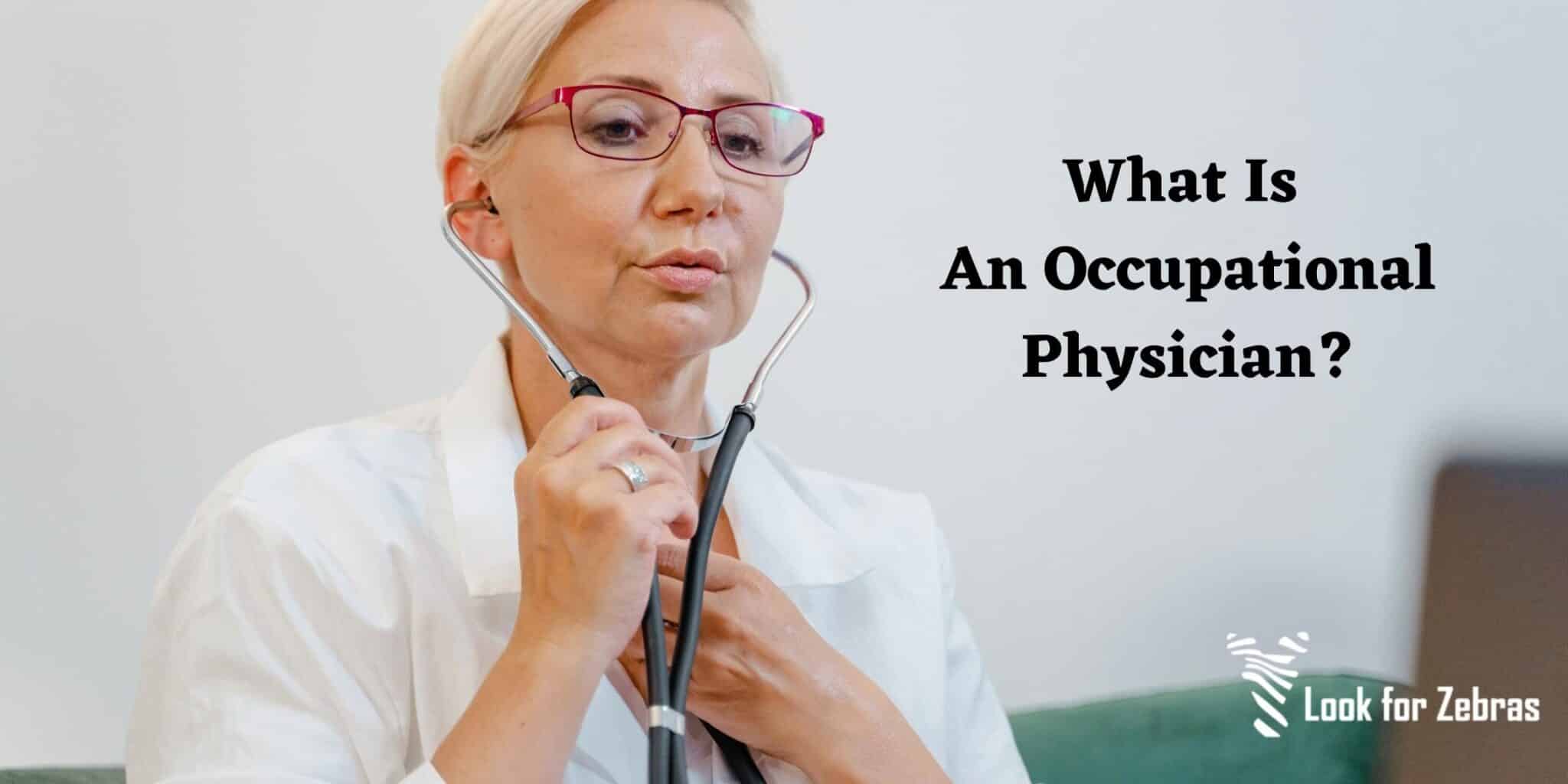
An occupational physician is a specialized medical professional who focuses on health issues related to the workplace. These experts play a crucial role in businesses by assessing, diagnosing, and managing work-related injuries and illnesses. Acting as consultants, occupational physicians evaluate the extent of an employee’s health condition and determine its connection to workplace hazards or worker’s compensation claims.
Their duties include (but are not limited to):
- Assessment of injuries
- Screening patients
- Determining potential health and safety risks
In this article, we will discuss their importance in the workplace and provide an outline of how to become an occupational physician.
How to Become an Occupational Physician
Becoming an occupational physician starts along the same path as it would for many other specialist doctors. It requires the individual to earn a bachelor’s degree and pass the Medical College Admission Test – a prerequisite for admission to medical school.
After that, the aspiring physician must pass two Medical Licensing exams before selecting a residency program designed specifically for occupational physicians. To earn board certification in occupational and environmental medicine, the individual will also be required to complete the relevant two-year residency program and pass a specific state or territory-administered exam, which will allow the person to practice as an occupational physician in their given location.
What Does an Occupational Physician Do?
As every business owner knows, risk is part and parcel of any business, and employee health is one such risk. If left unattended, these risks can potentially have a major impact on the business in the form of ill health or even civil and criminal litigation.
The goal of an occupational physician is to help the employer reduce these risks and assist with optimizing productivity while simultaneously reducing the costs related to health issues. Here are some examples of ways that this is done:
- Analyze and provide advice on the prevention or minimizing of work-related illnesses.
- Ensuring compliance with health and safety regulations and reporting work-related disease or infection risks.
- Assessing the workplace’s fitness during or following the onset of a disease or illness and recommending necessary adjustments and restrictions.
- Identifying any impairment or disease risks posed by new employees.
- Establishing the baseline for health expectations in the workplace.
- Being a part of training management staff on managing attendance and preventing physical or mental illness, such as stress and anxiety.
- Ensuring that employers are aware of and take the necessary steps to comply with the legalities of disability discrimination.
Benefits of Occupational Medicine
The role played by an occupational physician in a business cannot be overstated and bring several benefits to the business owner and their organization. Here are some of the benefits:
Employee Engagement – An effective employee or patient experience is often the key factor between the patient’s inability to perform and their subsequent recovery. Occupational physicians track patients’ progress and ensure they receive the appropriate medical treatment based on their medical records. This gives the business a clear view of the employee’s situation and a timeline of expected resolution.
Improved Communication – Following the point above, communication of the reported issue and its progress are equally essential for a successful occupational medicine program. By clearly communicating issues with relevant stakeholders, occupational physicians enable the business to take the necessary steps to ensure it can continue smoothly.
Improved Outcomes – By using an occupational physician, early intervention of potential risks and employee illness becomes possible. The timely intervention of risks allows for early treatment and minimizes the likelihood of prolonged periods of interference.
Ongoing Workforce Health – While occupational health is a preventive medicine measure, skilled occupational physicians can proactively prevent potential workplace issues by continuously assessing the changing work environment and identifying new risks. In addition, occupational physicians can train employees on how to work safely and perform pre-employment testing before new employees start work.

When To See an Occupational Health Physician
Employees should visit an occupational physician, or employers may require it, in the following circumstances:
- Following exposure to chemicals, radiation, or other hazardous substances while at work.
- Work-related injuries include acute and repetitive stress injuries caused by job tasks, such as lifting heavy objects that strain the back or arms.
- If the employee has fallen sick or has a health problem while at work.
- When the employer or management requires the employee to participate in a risk control program such as drug tests.
- For preventative health and wellness programs such as immunizations and vaccinations.
- Where there is a requirement for the employee to pass a physical examination. This may be required for entering, continuing, or returning to work.
- During fitment of PPC and other specialized safety equipment such as a respirator.
What Can an Occupational Physician Treat
Occupational physicians treat almost all work-related injuries, conditions, and illnesses.
Allergies – This includes newly developed and existing cases such as eczema and dermatitis.
Infectious disease exposure – Close workplace proximity to other employees is often unavoidable. As a result, exposure to diseases like influenza, tuberculosis, hepatitis, and HIV/AIDS is a real possibility.
Injuries – Generally, this applies to non-life-threatening injuries. This may include minor cuts and burns, sprains, strains, eye injuries, and minor fractures.
Respiratory problems – This includes respiratory diseases, emphysema, and asthma, among others.
Stress – This includes overexertion, sleep disorders, and work-related stress.
Some less common treatments provided by occupational physicians include treatment for sensory problems, neurologic conditions, and repetitive motion disorders.
Conclusion
Businesses should not overlook the role of an occupational physician. These skilled professionals help organizations identify health and safety risks. They implement strategies to reduce injuries, illnesses, and potential legal actions, creating a healthier and happier workforce. The benefits of this role directly improve workplace efficiency. It also helps reduce costs related to insurance premiums and post-incident corrective measures.